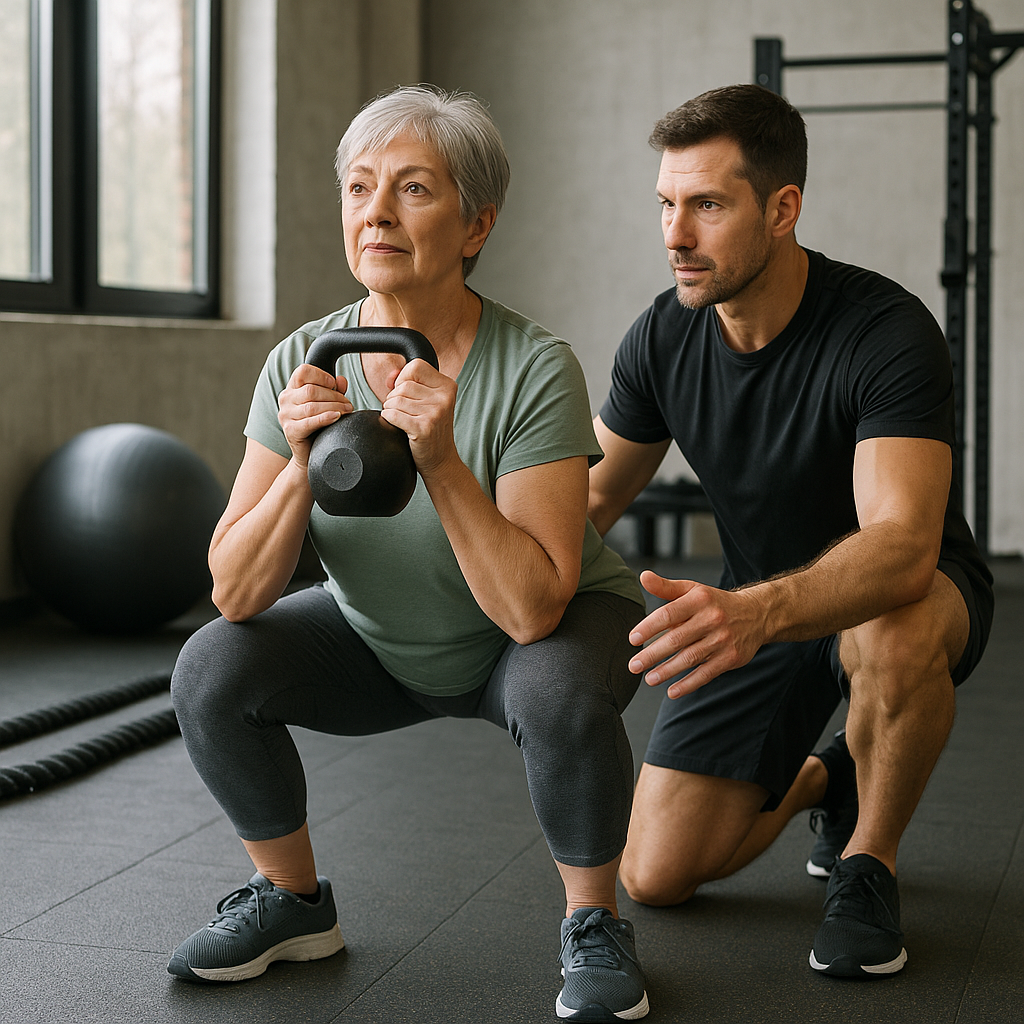
A fitness program can be the difference between working out “when you have time” and building a routine that actually changes how you feel in your body. Most people start searching for a fitness program with a clear goal in mind: lose weight, gain muscle, improve energy, move without pain, or simply feel more confident in everyday life. The challenge is that the internet is packed with options that all promise results—apps, gym plans, influencer routines, and coaching packages—so it’s easy to end up with something that looks good on paper but doesn’t fit your life.
If you’ve ever tried to follow a plan for two weeks and then drifted back to old habits, you’re not alone. The “perfect” fitness program isn’t the most extreme or the most popular. It’s the one you can repeat consistently, progress safely, and adapt as your schedule, stress levels, and fitness level change.
Why choosing the right fitness program feels overwhelming
When you search fitness program, you’ll notice a pattern in what shows up: a mix of educational explainers (what a program is and how to build one) and commercial offers (ready-made plans, subscriptions, and coaching). That’s a clue about what most people want at this stage: guidance that helps them decide, plus a clear next step they can follow.
This is where informed decision-making matters. A program that’s great for a trained lifter may be a fast track to frustration for a beginner. A plan built for fat loss might not support your priority if it’s strength, performance, or long-term joint health. And a routine that ignores recovery can quietly undermine progress, even if the workouts look “effective.”
A fitness program can transform more than your physique
A well-structured fitness program doesn’t just organize exercises—it shapes habits. It can improve sleep quality, stress management, and day-to-day resilience by giving you predictable training days, measurable progress, and a clearer relationship with effort and recovery. Over time, that structure becomes a lifestyle shift: you start planning your week around movement, making better choices because you feel the payoff, and building momentum that lasts beyond a short-term challenge.
What you’ll learn in this guide
So what makes a fitness program effective? How do you find one that matches your goals, your body, and your calendar? In the rest of this post, you’ll get a practical framework for understanding what a fitness program includes, how to evaluate your options, and how to choose a plan you can stick with—without guessing, overcomplicating, or burning out.
What a fitness program is (and what it should include)
A fitness program is a structured plan designed to move you from where you are now to a specific outcome—such as improving strength, losing body fat, building endurance, or moving with less discomfort. The key word is structured: instead of random workouts, you follow a system with a purpose, a schedule, and a way to progress.
Most effective programs combine three elements:
- Training: planned workouts with exercise selection, sets, reps, rest times, and intensity guidelines.
- Recovery: sleep, rest days, and strategies to manage soreness and fatigue so you can train consistently.
- Nutrition and lifestyle basics: not always a strict meal plan, but clear guidance on protein, hydration, and habits that support your goal.
Fitness programs also vary by starting level and focus. Beginner plans typically prioritize learning technique, building consistency, and improving baseline conditioning. Intermediate and advanced programs often use more specific progression methods (like periodization, heavier loading, or higher weekly volume) to keep results coming. Goal-specific options—strength training, hypertrophy, endurance, or weight loss—tend to emphasize different training variables, but they should all include a clear progression path and a realistic weekly time commitment.
How to choose the right fitness program for your goals
Choosing well is less about finding a “perfect” plan and more about matching a program to your current needs, constraints, and preferences. Use this checklist to narrow your options quickly.
1) Get clear on your primary goal
Pick one main outcome for the next 8–12 weeks. Many people want everything at once, but a program works best when it has a clear priority. Examples include:
- Build strength (get measurably stronger in key lifts)
- Improve body composition (lose fat while maintaining muscle)
- Increase energy and general fitness (better conditioning and daily movement)
- Move better (reduce stiffness, improve mobility, train with fewer flare-ups)
If you have recurring pain, old injuries, or medical considerations, your goal should include “train consistently without aggravation.” That single constraint can determine which exercises, volumes, and progressions are appropriate.
2) Check the program structure before you commit
Look for specifics, not hype. A credible fitness program should tell you:
- Frequency: how many days per week you train, and how long sessions typically take.
- Intensity: whether workouts are mostly challenging strength work, moderate effort, or high-intensity conditioning.
- Progression: exactly how you advance (more reps, more weight, more sets, harder variations, or planned phases).
- Balance: whether it includes warm-ups, movement prep, and recovery guidance—especially if training is demanding.
A common red flag is a plan that feels intense every day with no built-in deloads, easier sessions, or recovery emphasis. That approach can work short-term for some people, but it often breaks consistency—the one ingredient you can’t replace.
3) Make sure it fits your lifestyle and equipment
The best program is the one you can repeat on your worst realistic week. Before you start, confirm:
- Whether it’s designed for home, gym, or minimal equipment
- How flexible the schedule is if you miss a day
- Whether it supports your current stress and sleep reality
If your calendar is unpredictable, a plan with 3 full-body sessions per week may be more sustainable than a 6-day split, even if the 6-day plan looks “more advanced.”
4) Verify credibility and real-world feedback
Because search results for fitness program often include both educational guides and commercial offers, it helps to evaluate programs like you would any purchase: check the coach’s qualifications, look for clear explanations of why the program is structured a certain way, and read reviews for patterns. Pay attention to comments about clarity, progression, and support—not just dramatic before-and-after photos.
Key features of successful fitness programs
Across different styles, the programs that tend to work long-term share a few traits:
- Progress you can track: measurable targets (weights, reps, running pace, session completion) so you know it’s working.
- Adaptability: options for regressions and progressions, plus modifications for time, equipment, and recovery.
- Technique and safety built in: warm-ups, sensible exercise order, and guidance that reduces injury risk.
- Support: coaching feedback, a community, or even a simple check-in system that keeps you accountable.
Finally, don’t underestimate sustainability. A fitness program should challenge you, but it should also respect your joints, your recovery capacity, and your ability to show up week after week. When those pieces are in place, results become less about motivation and more about momentum.
What top-ranking pages suggest about what people want
When you look at what tends to rank well for fitness program, a pattern emerges: the strongest pages usually combine practical education (definitions, how-to guidance, and selection criteria) with a clear path to action (a plan, a template, or a coaching option). That mix makes sense because many readers are deciding what to follow next, not just learning theory.
For you, the takeaway is simple: choose a program that explains its structure, shows how you’ll progress, and makes it easy to start. If it can’t do that, it’s probably not built to support real-life consistency.
Ergonomics and body mechanics in a fitness program
Many people choose a fitness program based on goals like weight loss or muscle gain, but overlook a factor that often determines whether they can stay consistent: how the program fits their body mechanics. Ergonomics is usually discussed in the context of workstations and daily posture, yet the same principles apply to training. When your setup and movement patterns support your joints and leverage, workouts feel smoother, technique improves faster, and the risk of overuse issues tends to drop.

Men's Posture Shirt™ - Black
Improves posture, activates muscles, and can relieve pain with patented NeuroBand™ tech.
In practice, integrating ergonomics into a fitness program means paying attention to how you move, not just what you do. Small adjustments can make a big difference, such as:
- Choosing joint-friendly variations: swapping an exercise that irritates your shoulders, knees, or back for a variation that trains the same pattern with less stress.
- Matching range of motion to control: using a range you can own with good alignment, then gradually expanding it as mobility and strength improve.
- Setting up your environment: bar height, bench position, screen height for virtual sessions, and even footwear can affect mechanics.
A useful way to think about it is this: a fitness program should build capacity for real life. If your training repeatedly leaves you feeling “beat up,” you may not need more discipline—you may need better mechanics, smarter exercise selection, or a more realistic weekly load.

Women's Posture Shirt™ - White
Supports posture, relieves tension and pain, and activates muscles for better movement.
How to apply body mechanics without overthinking
You do not need to analyze every rep to benefit from better body mechanics. Start with a few high-impact habits that fit almost any fitness program:
- Use a consistent warm-up: 5–10 minutes of movement prep that increases temperature, reinforces key positions, and rehearses the day’s main patterns.
- Prioritize stable positions first: if you cannot control your trunk and hips under light load, heavy loading will usually amplify compensations.
- Progress one variable at a time: increase weight, reps, or sets—not all three at once—so your technique has room to adapt.
- Respect pain signals: discomfort from effort is normal; sharp, escalating, or joint-specific pain is a cue to modify.
This approach keeps the program effective while protecting the consistency that drives results. Over weeks, better mechanics often show up as improved performance, fewer “mystery” aches, and more confidence in challenging movements.
Fitness program trends shaping how people train
The fitness program landscape continues to shift toward formats that blend convenience with guidance. Virtual workouts and app-based coaching make structured training accessible without requiring a fixed gym schedule. For many people, the most sustainable option is a hybrid model: a few in-person sessions for technique and accountability, supported by an app or online plan for the rest of the week.
Another trend is the growing focus on holistic health. More programs now include recovery targets (sleep consistency, step counts, deload weeks) and mental wellness practices such as breathwork, stress management routines, or short mobility sessions that reduce tension. This is not about making training “soft”—it is about improving adherence and keeping the body responsive so progress can continue month after month.
Finally, expectations are rising around personalization. People want a fitness program that adapts to equipment, time constraints, and training history. The best modern programs make modifications easy, provide clear progression rules, and help you make decisions when life interrupts the plan.
Frequently Asked Questions
What makes a fitness program effective?
An effective fitness program aligns with your primary goal, includes a clear progression method, and is realistic enough to follow consistently. It should also include basic recovery guidance and a way to track progress (weights, reps, time, distance, or session completion). If you cannot tell how the program advances from week to week, it is harder to measure whether it is working.
How often should I change my fitness program?
Most people benefit from running the same fitness program long enough to see measurable progress, then adjusting based on results. A common approach is to reassess every 8–12 weeks, or sooner if progress stalls for multiple weeks, motivation drops due to monotony, or recovery consistently feels inadequate. Changing a program too frequently can prevent skill development and make progress harder to track.
Can I combine different fitness programs?
Yes, but it should be done carefully. Combining programs works best when the pieces are compatible—for example, strength training paired with low-to-moderate intensity conditioning. Problems often arise when you stack multiple high-intensity plans, which can exceed your recovery capacity. If you combine programs, keep one primary focus, reduce total volume where needed, and monitor sleep, soreness, and performance for signs you are doing too much.
How do I stay motivated in a fitness program?
Motivation improves when the plan is clear and progress is visible. Set small milestones (such as completing all sessions for two weeks, adding a small amount of weight, or improving a run time), track your workouts, and make the schedule as frictionless as possible. Many people also stay consistent by using community support, training with a partner, or choosing a program that offers coaching feedback and accountability.
Källor
- Tredict. (2023). "Data Analysis in Fitness Programs."
- Audika. (2023). "3 Aktiviteter der kan Optimere Din Hørelse."
- Akern. (2023). "Fitness App Data Analysis Software."
- App Store. (2023). "Eargym: Improve Hearing Health."
- Carle Health Fitness. (2025). "Weekly Wellness: Fitness Tip & Data Tracking Analysis."
- Hörgeräte Richberg. (2023). "Die HearingFitness App von Oticon."
- BehaviorFit. (2023). "From Weak to Strong: 4 Phases of Tracking a Decade of Fitness Data."
- Audibel. (2023). "Fitness Tracking Hearing Aids."
- Mayo Clinic. (2023). "Fitness Basics."
- Eargym World. (2023). "Train Your Ears."
- PMC. (2023). "Fitness Program Impact Study."
- Hör Fitness. (2023). "Hörfitness App."
- Life Fitness. (2023). "Data Integration in the Fitness Industry."
- Audiologi.dk. (2013). "Speciale om Høreapparater."
- Virtuagym. (2023). "Nutze Fitness Business Analytics."