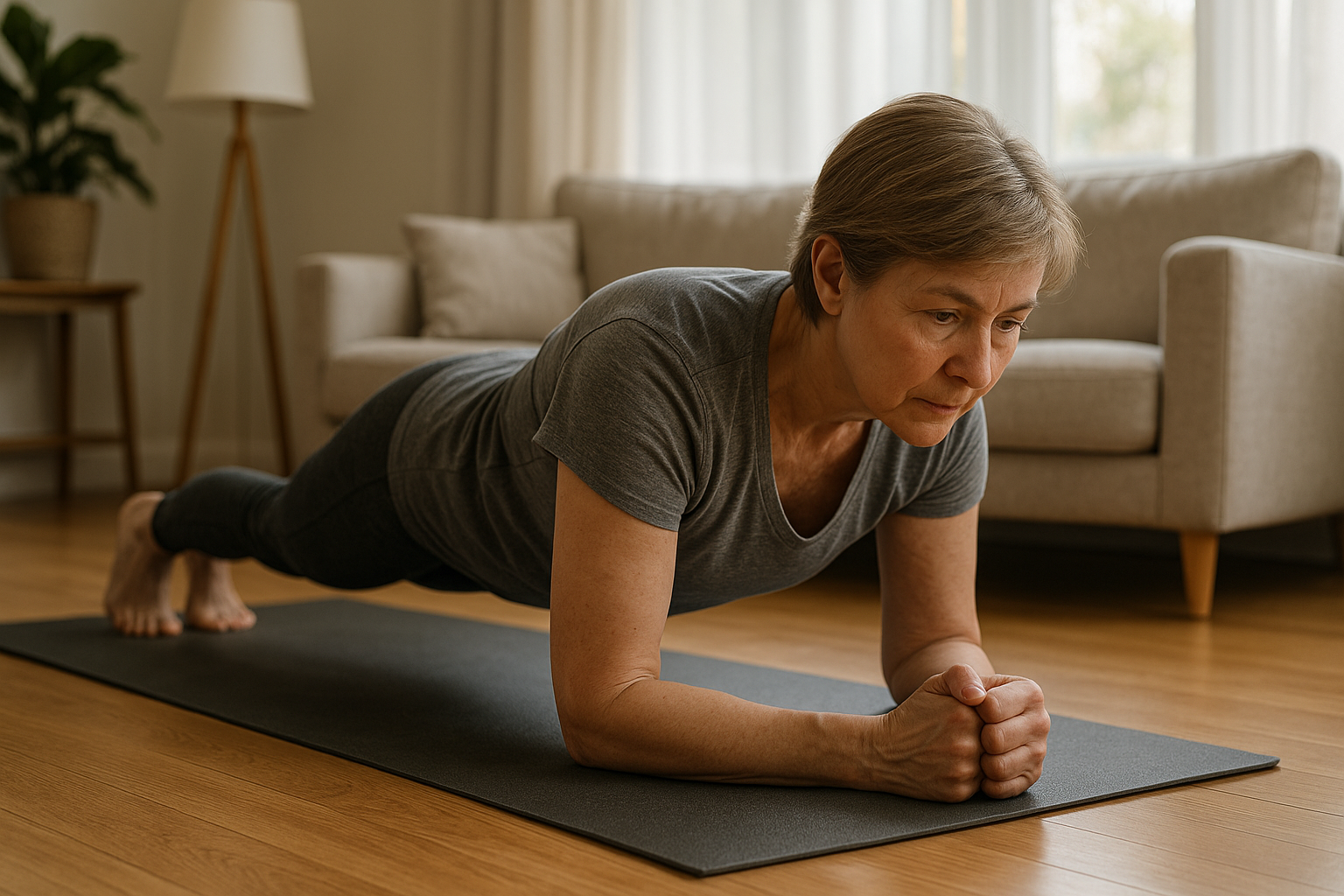
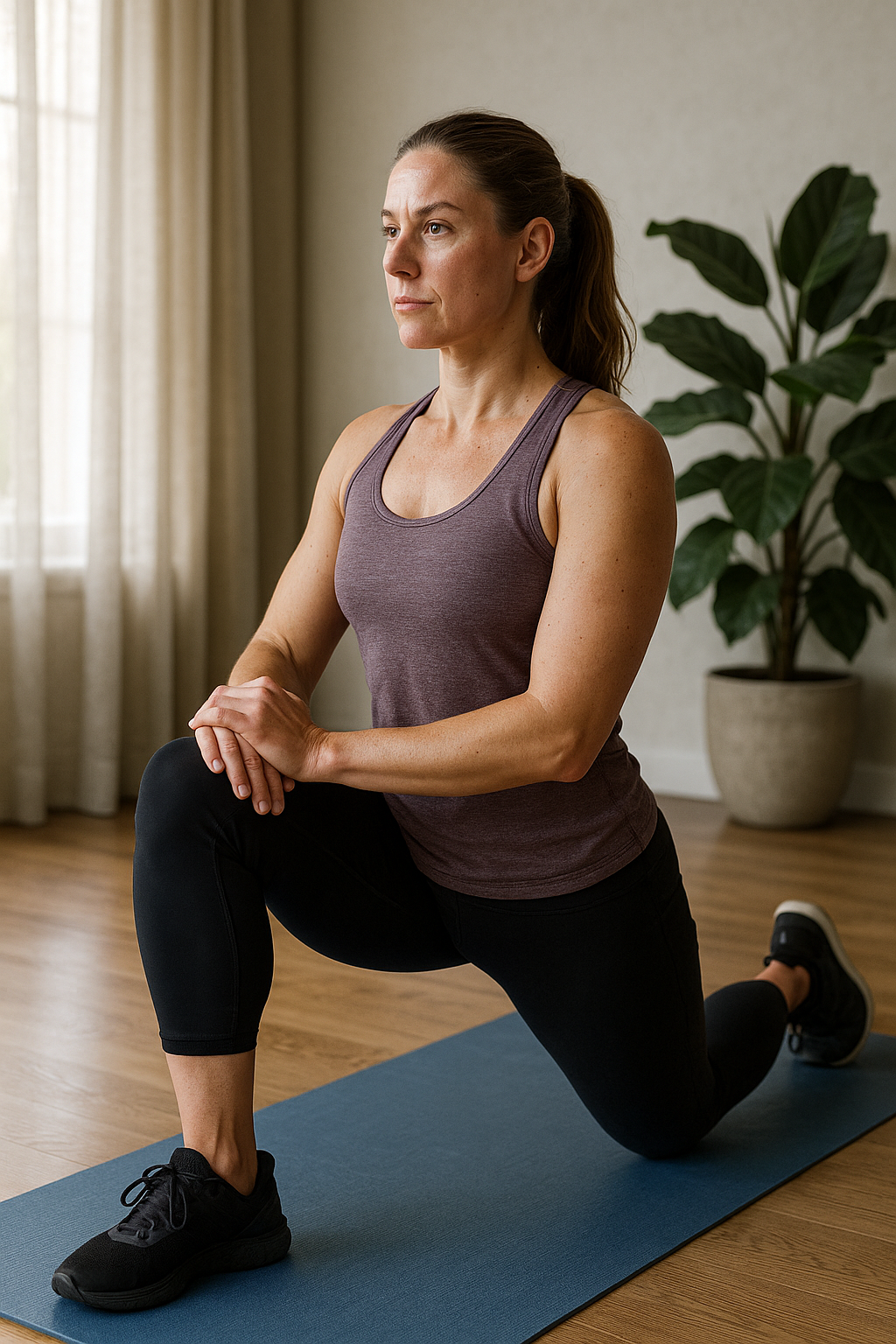
Tight hamstrings have a way of showing up everywhere: in your stride, in your squat depth, and often in that familiar pull across the back of the thighs when you bend forward. Because the hamstrings connect the pelvis to the lower leg, they play a major role in everyday movement like walking, climbing stairs, hinging to pick something up, and stabilising your posture when you stand still. When they lose flexibility, the body often compensates elsewhere—commonly in the lower back and hips.
That’s why a consistent hamstring stretch routine can be more than a “fitness” habit. For many people, it’s a practical tool for feeling looser during the day, moving with less resistance, and reducing the risk of strains that can happen when tight tissue is suddenly asked to lengthen quickly (think: sprinting for a bus or stepping awkwardly off a curb). It can also be a helpful piece of the puzzle if you notice recurring tension around the hips or lower back, especially after long hours at a desk.
Why hamstring flexibility matters for posture
Hamstrings attach to the pelvis, so when they’re persistently tight, they can influence how your pelvis sits. A restricted pull on the pelvis can contribute to a posture that feels “tucked under” or stiff through the hips, which may affect spinal alignment and how your lower back absorbs load. The result is often not a dramatic injury—just a steady background of discomfort, reduced mobility, and a feeling that your body doesn’t move as freely as it should.
This is especially common in modern routines where we sit for long periods, then expect our bodies to perform on demand. Even standing jobs can contribute, because staying in one position for hours can keep the hamstrings under constant low-level tension without the full range of motion they need to stay supple.
The everyday problem: sitting, standing and “shortened” hamstrings
Prolonged sitting places the hips in a flexed position, and over time many people experience hamstrings that feel chronically “short,” even if the muscle isn’t literally shrinking. Add minimal movement breaks, and the nervous system can start treating that limited range as the new normal—so stretching feels intense quickly, and bending forward may shift strain into the lower back instead of the back of the thighs.
The good news: the right hamstring stretch approach is both preventive and practical. In the next section, we’ll break down the difference between static and dynamic stretching, and show simple, desk-friendly and at-home options you can use to build flexibility without aggravating your back.
Static vs dynamic hamstring stretch: when to use each
Not all stretching works the same way, and choosing the right hamstring stretch depends on what your body needs in the moment. In general, static stretching means moving into a position and holding it (often 20–60 seconds). Dynamic stretching uses controlled movement through a comfortable range of motion, usually for repetitions rather than long holds.
If your goal is long-term flexibility and a more relaxed “resting” feeling in the back of the thighs, static stretching tends to be the most reliable approach. A recent meta-analysis comparing dynamic and static stretching found that while both can improve range of motion in the short term, multiple bouts of static stretching are associated with greater long-term gains in hamstring range of motion. Dynamic work still has an important role, especially before activity, because it helps prepare the tissue and nervous system for movement without the same “downshift” in power that long static holds can cause right before sport.
A simple rule: use dynamic stretches before training or a brisk walk, and use static stretches after activity or during the day (for example, after sitting for a long time) when you want to restore comfortable motion.
Static hamstring stretches you can do anywhere
For static work, aim for a stretch sensation in the back of the thigh that feels strong but controllable—never sharp, burning, or tingling. Breathe slowly, keep your ribs stacked over your pelvis, and stop before your lower back has to round aggressively to “find” more range.
Seated hamstring stretch (desk or chair)
How to do it: Sit tall on a chair. Extend one leg forward with the heel on the floor and toes pointing up. Keep a small bend in the knee if needed. Hinge forward from the hips (think “chest forward,” not “head down”) until you feel the stretch in the back of the thigh. Hold 20–40 seconds, then switch sides.
Make it easier: Keep the knee more bent and reduce how far you hinge. You can also scoot to the edge of the chair to make the hip hinge easier.
Make it more effective: Keep your spine long and gently pull the toes toward you to increase the stretch, but only if it doesn’t trigger calf cramping.
Supine strap stretch (at home)
How to do it: Lie on your back with one leg straight on the floor. Loop a strap or towel around the arch of the other foot and slowly raise that leg. Keep your pelvis heavy on the floor and your opposite leg long. Stop when you feel a strong stretch in the hamstrings, then hold 30–60 seconds. Repeat 2–4 times per side.
Why it helps: This position reduces the temptation to round the lower back, making it a good option if forward bends usually shift tension into your spine.
Modification: If the stretch feels too intense, bend the raised knee slightly or move the leg a little farther away from your torso.
Standing chair stretch (office-friendly)
How to do it: Stand facing a stable chair. Place one heel on the chair seat with the knee slightly bent. Keep your hips square and your back long. Hinge forward from the hips until you feel the stretch in the back of the thigh. Hold 20–40 seconds, then switch sides.
Form cue: Think of sending your hips backward rather than reaching your shoulders forward. This keeps the stretch targeted to the hamstrings instead of your lower back.
Dynamic hamstring stretches for warm-ups
Dynamic stretches should feel smooth and controlled. Move through a comfortable range, and gradually increase the motion over 8–12 repetitions rather than forcing height or speed.
Dynamic supine hamstring stretch
How to do it: Lie on your back and bring one thigh toward your chest, hands behind the thigh. Slowly straighten the knee until you feel mild tension, then bend it again. Perform 8–12 reps per side. Keep your pelvis steady and avoid yanking the leg straight.
Best for: Morning stiffness, pre-walk warm-ups, or easing into movement after sitting.
Leg swings (toy soldiers)
How to do it: Stand tall near a wall for balance. Keeping one leg straight, swing it forward to a comfortable height while the opposite arm reaches toward the foot. Let the leg swing back down and repeat 8–12 times, then switch sides.
Key point: Keep the movement controlled and your torso upright. If your lower back arches or you have to lean back to lift the leg higher, reduce the range.
How to make hamstring stretching work in real life
Consistency matters more than intensity. Try pairing a hamstring stretch with moments that already happen in your day: after your first hour at the desk, after lunch, or right after work. Even one or two short “micro-sessions” can help your body stop treating a limited range as normal.
Ergonomics also plays a role. Supportive seating, a well-set workstation, and posture-supporting garments can reduce the constant strain that builds when you sit or stand in the same position for long periods. The goal is simple: less time stuck in one posture, and more opportunities for your hamstrings to move through comfortable range—so stretching becomes maintenance, not damage control.

Women's Posture Shirt™ - Black
Improve your posture, relieve tension, and support your back with patented NeuroBand™ technology.
What research suggests about hamstring stretch and low-back pain
If you deal with recurring stiffness in the lower back, it can be tempting to focus only on the spine. But the hamstrings influence how the pelvis moves, and that can change how load is distributed through the lumbar area during everyday tasks like bending, walking, and standing up from a chair.
Research reviews on people with low-back pain show that adding hamstring stretching can reduce pain intensity and improve function in several low-back pain categories. Improvements are also often seen in straight-leg raise range of motion, which is commonly limited when back pain is accompanied by radiating symptoms down the leg. In practical terms, a consistent hamstring stretch routine may help you move more comfortably, even if it doesn’t “fix” every underlying cause of back pain on its own.
One reason stretching can feel helpful is that some hamstring tightness is not purely muscular. In some people, the sensation of tightness during a forward bend is influenced by sensitivity of the nervous system (including the sciatic nerve pathway). Gentle, well-aligned stretching—especially options done on your back with a strap—can reduce the urge to compensate with aggressive spinal rounding and may support more comfortable nerve movement. If you notice sharp, burning, or electric symptoms, keep the range smaller and consider professional guidance.

Lumbar support belt
Provides lower back support and relief, ideal for pain, sciatica, or active/sitting needs.
Common hamstring stretch mistakes (and safer fixes)
Many people stretch consistently and still feel “stuck” because the stretch is being taken from the wrong place. These are the most common issues to watch for:
- Rounding the lower back to reach farther. This often shifts the load into the spine instead of the hamstrings. Fix: keep a long spine and hinge from the hips; stop the moment your pelvis stops moving and your back starts doing the work.
- Locking the knee hard. A fully straight knee can be fine, but forcing it can irritate the back of the knee or increase nerve tension. Fix: keep a small bend and gradually straighten only if it stays comfortable.
- Pushing into pain or tingling. Stretching should feel like strong tension, not symptoms. Fix: back off until the sensation is local to the muscle belly of the hamstrings, then breathe slowly for the full hold.
- Bouncing to “get deeper.” This can increase strain and reduce control. Fix: use steady holds for static stretching and smooth reps for dynamic work.
- Letting the hips twist. When one hip hikes or rotates, the stretch may move into the back or outer hip. Fix: keep hips square; imagine headlights on your hip bones pointing straight ahead.
Quick alignment guide for better results
Use these cues to keep the stretch targeted and back-friendly:
- Neutral spine: ribs stacked over pelvis; avoid collapsing the chest.
- Hip hinge: move from the hips first, not the shoulders.
- Stable pelvis: keep both sides level; don’t “cheat” by twisting.
- Controlled intensity: aim for 6–7/10 stretch sensation, not maximum.
| Hamstring stretch type | Main benefit | Best time to use it | Typical dose |
|---|---|---|---|
| Static stretch | Builds long-term flexibility and tolerance | After activity, after long sitting, or as a daily mobility habit | 20–60 seconds, 2–4 rounds per side |
| Dynamic stretch | Prepares tissue and nervous system for movement | Warm-ups before walks, training, or sport | 8–12 controlled reps per side |
| Supine strap-based stretch | Targets hamstrings with less lower-back compensation | When forward bends irritate the back, or for end-of-day decompression | 30–60 seconds, 2–4 rounds per side |
| Chair/desk variations | Makes consistency easier during the workday | Micro-breaks at the office or between tasks at home | 20–40 seconds, 1–3 rounds per side |
Frequently Asked Questions
What are the best stretches for tight hamstrings?
The best hamstring stretch is the one you can do consistently with good alignment. For many people, the most reliable options are the seated hamstring stretch (easy to repeat during the day), the supine strap stretch (often more back-friendly), and the standing chair stretch (useful when you want a stronger hinge-based stretch). For warm-ups, dynamic leg swings and the dynamic supine hamstring stretch are practical choices because they prepare you for movement without long holds.
How often should I stretch my hamstrings?
For flexibility gains, aim for 3–6 days per week. Many people do well with 2–4 static holds per side (20–60 seconds each) after activity or later in the day. If your main challenge is stiffness from sitting, shorter daily sessions (even 1–2 holds per side during work breaks) can be easier to maintain and still effective over time.
Can hamstring stretches help with lower back pain?
They can help in many cases, especially when tightness affects how your pelvis and hips move during bending and walking. Research reviews suggest hamstring stretching can reduce low-back pain intensity and improve function for some people. The key is to stretch without rounding aggressively through the lumbar spine—choose positions that let the hips do the work (often supine strap variations) and keep the sensation in the back of the thigh rather than the back itself.
Are there any contraindications for hamstring stretching?
Yes. Avoid pushing into sharp pain, numbness, tingling, or burning sensations down the leg. If you have severe or worsening back pain, significant radiating symptoms, recent injury, or loss of strength, it is sensible to seek assessment from a qualified clinician before continuing. In the meantime, keep stretches gentle, reduce range of motion, and prioritise controlled positions (like the supine strap stretch) that limit spinal strain.
Källor
- "Effectiveness of Stretching on Hamstring Flexibility: A Systematic Review." Journal of Sports Science.
- "Why Is It Important to Stretch the Hamstrings?" Town Physical Therapy.
- "Hamstring Stretch: Benefits and How to Do It." GoodRx Health.
- "The Importance of Stretching." Harvard Health Publishing.
- "Stretching: Focus on Flexibility." Mayo Clinic.
- "Seated Hamstring Stretch." Hinge Health.
- "Stretch the Hamstrings: A Guide." Most Chiropractic.